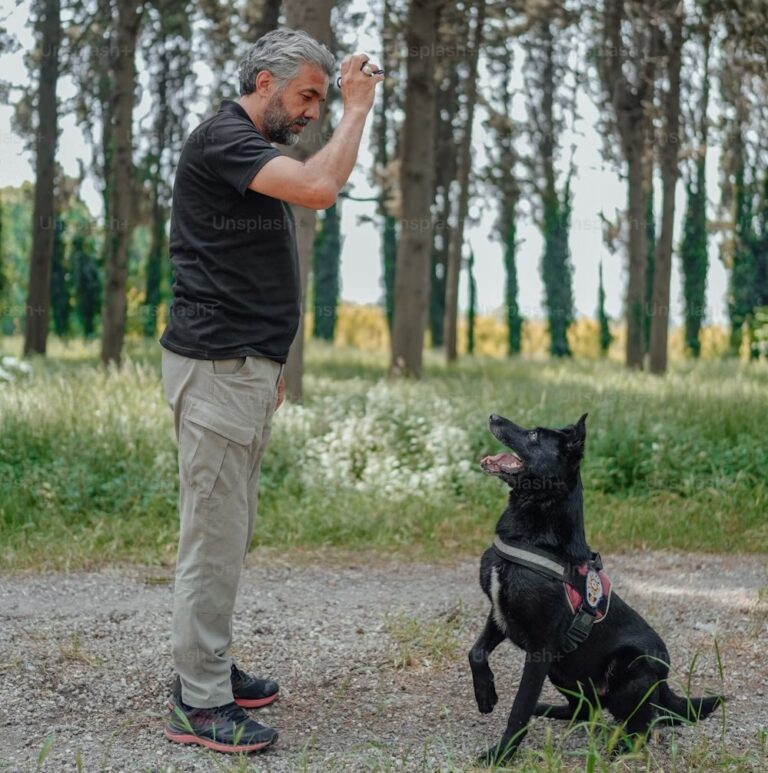


If your dog won’t stop barking, you’re not alone. Excessive barking is one of the most common behavior issues dog owners face—and one of the most frustrating.
Whether it’s barking at strangers, noises, or seemingly nothing at all, it can quickly become overwhelming. The good news? Barking isn’t random. It’s communication. And once you understand why your dog is barking, you can start to control it effectively.
In this guide, you’ll learn why dogs bark excessively, what it means, and most importantly, how to stop dog barking using practical, proven methods that actually work.

🧠 Why Do Dogs Bark? Understanding the Root Cause
Dogs bark for a reason. It’s their way of expressing emotions, needs, and reactions to their environment.
Here are the most common reasons:
- Alert barking – reacting to noises or strangers
- Boredom – lack of stimulation or activity
- Attention-seeking – wanting interaction or play
- Anxiety or fear – especially when left alone
- Territorial behavior – protecting their space
Before you try to stop barking, you need to identify the trigger. Treating the wrong cause won’t solve the problem.
🔍 Step 1: Identify Your Dog’s Barking Pattern
Start by observing:
- When does your dog bark?
- What triggers it?
- How long does it last?
For example:
- Barking when you leave = separation anxiety
- Barking at windows = territorial or alert behavior
Understanding patterns helps you apply the right solution faster.
🐕 Step 2: Reduce Boredom (The #1 Hidden Cause)
Many dogs bark simply because they’re bored.
Dogs—especially active breeds—need:
- Daily exercise
- Mental stimulation
- Interaction
Try this:
- Daily walks (at least 30–60 minutes)
- Puzzle toys or treat dispensers
- Short training sessions
A tired dog is a quiet dog.
🧩 Step 3: Use Positive Reinforcement Training
Punishment doesn’t work long-term. It can actually make barking worse.
Instead, reward your dog for quiet behavior.
Here’s how:
- Wait for your dog to stop barking
- Say “quiet” calmly
- Reward immediately
Repeat consistently. Over time, your dog learns that silence = reward.
🚫 Step 4: Avoid Common Mistakes
Many dog owners unknowingly reinforce barking.
Avoid:
- Yelling (your dog thinks you’re joining in)
- Giving attention when barking
- Inconsistent training
Consistency is everything in behavior training.
🏠 Step 5: Manage the Environment
Sometimes, the easiest fix is removing the trigger.
If your dog barks at:
- People outside → close curtains
- Noises → use background sounds
- Other dogs → limit exposure during training
Environmental control is a powerful but often overlooked solution.
🐶 Step 6: Train the “Quiet” Command Properly
Teaching your dog a reliable “quiet” command is one of the most effective tools.
Steps:
- Let your dog bark briefly
- Say “quiet” firmly but calmly
- Wait for silence
- Reward immediately
Practice daily in different situations.

🧘 Step 7: Address Anxiety and Stress
Some dogs bark due to anxiety, especially when left alone.
Signs include:
- Destructive behavior
- Whining or pacing
- Barking when you leave
To help:
- Create a safe, comfortable space
- Use calming toys or scents
- Gradually increase alone time
If severe, consult a vet or trainer.
🐾 Step 8: Socialisation and Exposure
Dogs that aren’t properly socialised may bark out of fear.
Expose your dog gradually to:
- New people
- Other dogs
- Different environments
Keep experiences positive and controlled.
🛠️ Step 9: Use Tools (But Use Them Correctly)
Some tools can help—but they should support training, not replace it.
Consider:
- Anti-bark collars (humane options only)
- White noise machines
- Interactive toys
Avoid harsh or punishment-based tools.
🌏 Tips for Australian Dog Owners
In Australia, dogs often face:
- Outdoor environments
- Neighbours in close proximity
- Wildlife triggers
To manage barking:
- Ensure proper fencing
- Provide shaded outdoor areas
- Monitor outdoor time
⚠️ When Barking Becomes a Serious Problem
If barking is:
- Constant
- Aggressive
- Causing complaints
…it may require professional help.
A certified dog trainer can assess behavior and provide a tailored plan.
🧠 Advanced Dog Behavior Insights: Understanding Barking on a Deeper Level
While basic training techniques can significantly reduce excessive barking, truly solving the problem requires understanding your dog’s emotional and psychological state.
Dogs don’t just bark randomly—they respond to their environment, their energy levels, and even your behavior. In many cases, barking is a learned response that has been unintentionally reinforced over time.
For example, if your dog barks and you immediately respond—whether by yelling, talking, or even looking at them—they may interpret that as attention. From their perspective, barking worked.
This is why consistency and awareness are critical. Every interaction you have with your dog teaches them something.
🔄 The “Cause → Behavior → Reward” Cycle
To fix barking, you need to break this cycle:
Trigger → Barking → Reward (attention, reaction, outcome)
Your goal is to:
- Remove or reduce the trigger
- Prevent the reward
- Reinforce calm behavior instead
Once you shift what your dog gets rewarded for, their behavior naturally begins to change.
🐕🦺 How Exercise Impacts Dog Behavior
One of the most underestimated factors in dog behavior is physical activity.
Dogs that don’t get enough exercise often:
- Bark more
- Become destructive
- Develop anxiety
Different breeds require different levels of activity. For example:
- Working breeds (like Border Collies) need intense daily exercise
- Smaller breeds still need mental stimulation even if physical needs are lower
If your dog has excess energy, no amount of training will fully stop barking until that energy is properly released.
🧩 Mental Stimulation: The Missing Piece
Mental exercise is just as important as physical exercise.
Dogs need to think, solve problems, and stay engaged. Without this, boredom quickly turns into unwanted behavior.
Try adding:
- Puzzle toys
- Snuffle mats
- Hide-and-seek games
- Training new tricks
Even 10–15 minutes of mental stimulation can significantly reduce barking.
🏡 Creating a Calm Home Environment
Your home environment plays a huge role in your dog’s behavior.
If your dog is constantly overstimulated by:
- Loud noises
- Movement outside windows
- Visitors
…it can lead to continuous barking.
To create a calmer space:
- Use curtains or frosted windows
- Play soft background noise
- Provide a designated quiet resting area
Dogs mirror the energy around them. A calm environment encourages calm behavior.
🐾 Body Language: What Your Dog Is Really Saying
Barking is only one part of communication. Understanding your dog’s body language gives you deeper insight into their emotions.
Look for signs like:
- Tail position
- Ear movement
- Eye contact
- Posture
For example:
- Stiff body + barking = alert or defensive
- Relaxed body + short barks = excitement
When you understand these signals, you can respond more effectively and prevent escalation.
🐶 The Role of Routine in Behavior Control
Dogs thrive on structure. A consistent daily routine helps reduce anxiety and unpredictable behavior.
Your dog should know:
- When they will eat
- When they will walk
- When they will rest
A predictable routine creates a sense of security, which reduces stress-related barking.
⚡ Energy Matching: Why Your Mood Matters
Dogs are incredibly sensitive to human emotions.
If you’re:
- Stressed
- Frustrated
- Reactive
…your dog can pick up on that energy and mirror it.
When addressing barking, stay:
- Calm
- Neutral
- Consistent
Your tone and body language can either escalate or de-escalate the situation.
🚪 Separation Anxiety: A Major Cause of Barking
One of the most challenging behavior issues is separation anxiety.
Dogs with this condition may:
- Bark non-stop when alone
- Destroy furniture
- Show signs of panic
To manage this:
- Practice leaving for short periods and gradually increase time
- Avoid dramatic departures or arrivals
- Provide engaging toys while you’re away
Severe cases may require professional help, but many dogs improve with gradual training.
🐕 Multi-Dog Households and Barking
If you have more than one dog, barking can become contagious.
One dog starts, and others follow.
To manage this:
- Train dogs individually
- Reinforce calm behavior as a group
- Avoid rewarding group barking
Consistency across all dogs is key.
🛑 When Ignoring Barking Works (and When It Doesn’t)
Ignoring barking can be effective—but only in specific situations.
It works when:
- Barking is for attention
It doesn’t work when:
- Barking is due to fear or anxiety
- There’s a strong external trigger
In those cases, you need to address the root cause instead of ignoring it.
🧠 Rewiring Behavior Takes Time
One of the biggest mistakes dog owners make is expecting instant results.
Behavior change takes:
- Time
- Repetition
- Consistency
Your dog has likely practiced barking for weeks or months. Reversing that behavior requires patience.
Small improvements are still progress.
🐾 Combining Training with Daily Activities
The best way to reinforce good behavior is to integrate training into everyday life.
For example:
- Ask for a “sit” before meals
- Reward calm behavior during walks
- Practice “quiet” during real-life situations
Training shouldn’t be separate—it should be part of your daily routine.
🐶 Building Trust Through Training
At its core, behavior training is about trust.
Your dog needs to feel:
- Safe
- Understood
- Guided
When your dog trusts you, they’re more likely to listen and respond positively.
Avoid harsh methods. Focus on communication and consistency.
🌟 Long-Term Results: What Success Looks Like
When your training starts to work, you’ll notice:
- Less frequent barking
- Faster response to commands
- More relaxed behavior
Your dog won’t become completely silent—but they’ll learn when barking is appropriate and when it’s not.
That’s the goal.
🧠 Final Expert Tip: Focus on Prevention, Not Just Correction
The most effective dog owners don’t just react—they prevent problems before they start.
That means:
- Keeping your dog mentally and physically satisfied
- Managing the environment
- Reinforcing calm behavior daily
When you focus on prevention, barking naturally decreases.
🐶 Conclusion: A Calm Dog Is a Happy Dog
Excessive barking isn’t just a nuisance—it’s a sign that something needs attention.
By understanding your dog’s needs, staying consistent, and using positive reinforcement, you can create a calmer, happier home for both you and your pet.
Remember, your dog isn’t trying to be difficult—they’re trying to communicate.
Once you understand their language, everything becomes easier.
🔗 Related Training Tips
If you’re working on behavior, you should also read:
Training and care go hand-in-hand for a well-balanced dog.
🧠 Final Thoughts: You Can Fix Excessive Barking
Excessive barking can feel frustrating, but it’s not a permanent problem.
With the right approach—understanding the cause, consistent training, and patience—you can significantly reduce or even eliminate unwanted barking.
Your dog isn’t trying to annoy you. They’re trying to communicate.
Once you understand that, everything changes.
🎯 Dog Training Tools
Train your dog faster with smart tools designed for better obedience and control.
- ✔ Improve commands & discipline
- ✔ Reduce jumping & pulling
- ✔ Easy home training
🔇 Behavior Control
Stop excessive barking, aggression, and unwanted habits safely.
- ✔ Anti-bark solutions
- ✔ Gentle & humane correction
- ✔ Stress-free behavior control
🐾 Calm & Anxiety Support
Help your dog stay calm during stress, travel, or loud environments.
- ✔ Reduce anxiety & stress
- ✔ Great for loud noises
- ✔ Keeps dogs relaxed