7 Joyful Dog Grooming Tips for Happy Australian Pet Owners

dog grooming tips

The Importance of Dog Grooming in the Australian Climate

Grooming your dog goes beyond just aesthetic appeal; it is a vital part of responsible pet ownership, especially in the diverse climates of Australia. With various weather conditions ranging from tropical in the north to temperate in the south, understanding how these factors influence your dog’s grooming needs is crucial. Regular grooming helps maintain your dog’s coat, skin, and overall health, making it an essential routine for every dog owner. Following these dog grooming tips can further enhance your grooming routine.

Incorporating dog grooming tips into your routine can significantly improve your pet’s health and happiness.

Understanding the Climate’s Impact on Your Dog’s Coat

The Australian climate can present unique challenges for your dog’s coat. In hotter regions, dogs are prone to overheating if they have thick or long coats. Conversely, dogs in cooler climates may require more grooming to keep their fur insulated. Additionally, humidity can cause skin issues, and grooming helps to regulate temperature and prevent discomfort. Thus, paying attention to your dog’s breed and coat type in relation to the local climate is key for effective grooming practices.

These dog grooming tips will help ensure your dog is comfortable during seasonal changes.

Why Regular Grooming is Essential

Regular grooming is a significant contributor to your dog’s overall well-being. It prevents matting and tangles that can lead to skin infections and irritations. Grooming not only keeps your dog looking tidy but also allows for the early detection of any skin problems, parasites, or abnormalities. This proactive approach to grooming can enhance your dog’s comfort and health, which is especially important in a country where outdoor activities are popular.

Utilizing dog grooming tips can prevent many common issues related to coat care.

For more effective dog grooming tips, consider investing in quality grooming tools and scheduling regular grooming sessions.

Health, Hygiene, and Shedding Control Benefits

Implementing dog grooming tips regularly can enhance your dog’s overall hygiene.

Beyond aesthetics, grooming plays a crucial role in maintaining health and hygiene. A well-groomed dog is less likely to experience skin problems and allergies. Regular grooming routines can also help control shedding, which is beneficial for pet owners who are concerned about allergens in their homes.

Boosting Your Dog’s Skin Health

Regular brushing stimulates the skin and promotes healthy oil distribution, keeping your dog’s coat shiny and moisturized. Grooming also removes dead hair and dander, which can contribute to allergies in both pets and humans. A clean coat is less likely to harbor fleas, ticks, and other pests, which can lead to more serious health issues. Implementing a thorough grooming routine is a proactive way to protect your dog’s skin and overall health.

These dog grooming tips for maintaining a shiny coat are essential for all pet owners.

Reducing Shedding and Allergens in Your Home

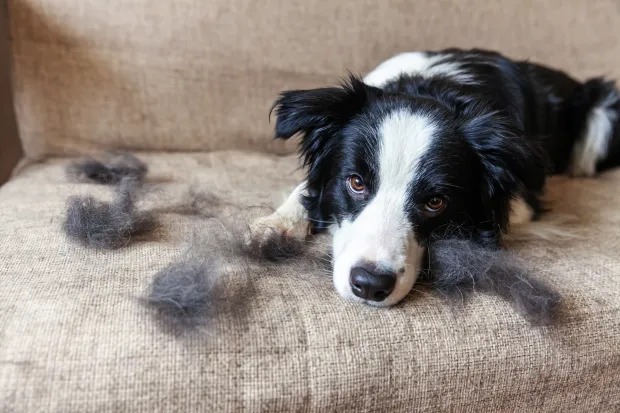
Shedding is a natural process for dogs, but managing it through grooming can significantly reduce the amount of fur and dander in your home. Frequent brushing collects loose hair before it has the chance to scatter throughout your living space. This can create a more pleasant environment for family members, especially those with allergies or asthma.

For effective shedding management, follow these dog grooming tips.

Brushing Techniques for Different Coat Types

Dogs come in various coat types, and understanding how to groom each type effectively is essential. From short to long, curly to wavy, each coat requires different techniques to maintain its health and appearance.

Adapting dog grooming tips to your dog’s specific coat type is crucial for success.

Short Coats: Best Practices

Short-haired breeds like Beagles or Boxers require less grooming but still benefit from regular brushing. A rubber curry brush or a fine-bristled brush can effectively remove loose hair and distribute natural oils. Brushing should be done at least once a week to keep the coat healthy and reduce shedding.

Long Coats: Maintaining Volume and Shine

For long-haired breeds like Golden Retrievers or Collies, more frequent grooming is necessary. Daily brushing with a slicker brush will help prevent mats and tangles. It’s also essential to ensure that the undercoat is brushed out to avoid any painful knots, which can lead to skin issues if left untreated.

Long-haired breeds particularly benefit from following dog grooming tips closely.

Curly and Wavy Coats: Special Techniques

Breeds with curly or wavy coats, such as Poodles or Labradoodles, require unique grooming techniques to maintain their coat texture. A comb or a pin brush is generally best for these coats, as it helps detangle without disrupting the curl pattern. Regular grooming helps prevent matting and keeps the coat looking lively and healthy.

To maintain texture, apply specific dog grooming tips designed for curly coats.

Choosing the Right Grooming Tools

Investing in the right grooming tools is critical for effective grooming. The right tools not only make the task easier but also contribute to your dog’s comfort during the grooming process.

Essential Brushes and Combs

When selecting brushes, consider your dog’s coat type. A slicker brush is excellent for removing tangles and mats in long-haired dogs, while a bristle brush works well for short-haired breeds. Additionally, investing in a good quality comb can help with detangling and maintaining the coat’s finish. Always choose tools that feel comfortable in your hand and are suitable for your dog’s size and coat.

Choosing the right brushes based on dog grooming tips can make all the difference in care.

Clippers and Shears for Different Needs

If you plan on doing more extensive grooming, such as clipping or trimming, having the right clippers and shears is vital. Choose clippers that are quiet and have adjustable blade lengths to accommodate different coat types. Investing in quality grooming shears can help with precision cutting and shaping, ensuring your dog looks its best.

Utilizing dog grooming tips ensures that you have the right tools for every grooming session.

Proper Bathing Routine and Natural Shampoos

Bathing is another essential component of grooming that requires careful consideration, particularly regarding frequency and the products used.

Incorporating dog grooming tips into your bathing routine will keep your dog clean and healthy.

Frequency of Bathing in Different Seasons

In Australia, the bathing frequency can vary depending on the season and your dog’s activity level. During warmer months, dogs may need a bath every 4-6 weeks, while in winter, every 6-8 weeks may suffice. It’s essential to consider your dog’s lifestyle; if they are very active outdoors, they may require more frequent baths to remove dirt and debris.

Seasonal changes may require dog grooming tips to adjust bathing frequency.

Benefits of Using Natural Shampoos

Opting for natural shampoos can provide numerous benefits, including being gentler on your dog’s skin and coat. Natural ingredients can help soothe skin irritations and allergies, which is particularly beneficial for dogs with sensitive skin. Additionally, many natural shampoos are free from harmful chemicals that can strip the coat of its natural oils, ensuring a healthy and shiny appearance.

Using natural products is one of the dog grooming tips that enhance coat health.

Nail Trimming and Ear Cleaning Basics

Nail trimming and ear cleaning are often overlooked aspects of grooming, but they are essential for your dog’s health and comfort.

Regular maintenance is key, and these dog grooming tips will help you with that.

The Importance of Regular Nail Trimming

Regular nail trimming is crucial to prevent discomfort and potential health problems. Overgrown nails can lead to painful walking and can even cause structural issues in your dog’s feet. Generally, nails should be trimmed every 4-6 weeks. If you can hear your dog’s nails clicking on the floor, it’s time for a trim.

Steps for Safe Ear Cleaning

Ears should be checked regularly for wax buildup or debris. Using a vet-approved ear cleaner, gently wipe the inside of your dog’s ear with a cotton ball, being careful not to insert anything deep into the ear canal. Regular cleaning helps prevent infections and keeps your dog’s ears healthy.

Managing Seasonal Shedding

Shedding can be a significant concern for many pet owners, particularly during seasonal transitions. Understanding your dog’s shedding cycles can help you manage this natural process more effectively.

Understanding your dog’s shedding patterns will help implement dog grooming tips effectively.

Understanding Shedding Cycles

Most dogs experience two major shedding periods each year, typically in spring and fall. During these times, a dog’s coat will naturally transition to accommodate the changing temperatures. Understanding this cycle can help you prepare for increased grooming needs and manage shedding effectively.

By following dog grooming tips, you can better manage your dog’s shedding cycles.

Tips to Minimize Shedding Around the Home

To minimize shedding indoors, establish a regular grooming routine to capture loose hair before it scatters. Additionally, using pet-friendly vacuums and lint rollers can help keep your home clean. Maintaining a clean environment can reduce allergens and keep both you and your dog comfortable.

Maintaining cleanliness is easier with dog grooming tips aimed at reducing allergens.

Beginner Home Grooming Routine

For first-time dog owners, establishing a grooming routine can seem daunting. However, with the right approach, you can create a manageable system that keeps your dog looking and feeling great.

Creating a Grooming Schedule

Start by developing a grooming schedule that works for both you and your dog. This can include daily brushing, bathing every month or so, and regular nail trimming. Having a set schedule will help you stay organized and ensure your dog gets the attention it needs.

With dog grooming tips, your grooming schedule will become second nature.

Step-by-Step Guide for First-Time Groomers

For first-time groomers, it’s helpful to break down the grooming process into simple steps. Begin with brushing to remove loose hair, followed by a bath if needed. After bathing, dry your dog thoroughly before trimming nails and cleaning ears. Taking it slow and being patient will help your dog adjust to the grooming process and create a positive experience.

Breaking down the process using dog grooming tips can simplify your routine.

Common Mistakes to Avoid

Even experienced groomers can make mistakes, so being aware of common pitfalls can improve your grooming routine.

Awareness of common mistakes and how dog grooming tips can help avoid them is vital.

Over-Bathing and Its Consequences

One common mistake is over-bathing your dog, which can strip their coat of essential oils and lead to dry skin. It’s important to establish a proper bathing schedule based on your dog’s needs and lifestyle, ensuring they remain clean without overdoing it.

Understanding the impact of over-bathing will be one of your dog grooming tips.

Neglecting Specific Areas During Grooming

Another mistake is neglecting certain areas, such as the underbelly, paws, and behind the ears. These areas are prone to matting and require careful attention. Focus on thoroughly grooming these sections to prevent discomfort and health issues.

Paying attention to commonly neglected areas should be part of your dog grooming tips.

FAQs about Dog Grooming in Australia

How often should I groom my dog?

Grooming frequency varies by breed and coat type. Generally, short-haired dogs require grooming every 1-2 weeks, while long-haired breeds may need daily brushing to prevent matting.

What are the best natural shampoos available?

Some popular natural shampoos include products made with oatmeal, coconut oil, or aloe vera. Always check the ingredient list for any potential allergens related to your dog’s sensitivities.

Can I groom my dog at home?

Yes, many dog owners successfully groom their pets at home. With the right tools and a consistent routine, home grooming can be an effective and enjoyable experience for both you and your dog.

What should I do if my dog hates grooming?

Start by introducing grooming gradually and pairing it with positive reinforcement, such as treats and praise. Short, frequent grooming sessions can help your dog become more accustomed to the process and reduce anxiety.

Conclusion

In conclusion, these dog grooming tips can enhance your pet ownership experience.

Grooming is an essential part of responsible pet ownership that contributes to your dog’s health, hygiene, and overall well-being. By understanding the unique grooming needs based on your dog’s coat type and the Australian climate, you can create a routine that benefits both you and your furry friend. Regular grooming not only helps maintain cleanliness, but it also strengthens the bond between you and your pet, ensuring a happy and healthy life together.

🎯 Dog Training Tools

Train your dog faster with smart tools designed for better obedience and control.

  • ✔ Improve commands & discipline
  • ✔ Reduce jumping & pulling
  • ✔ Easy home training
Start Training

🔇 Behavior Control

Stop excessive barking, aggression, and unwanted habits safely.

  • ✔ Anti-bark solutions
  • ✔ Gentle & humane correction
  • ✔ Stress-free behavior control
Fix Behavior

🐾 Calm & Anxiety Support

Help your dog stay calm during stress, travel, or loud environments.

  • ✔ Reduce anxiety & stress
  • ✔ Great for loud noises
  • ✔ Keeps dogs relaxed
Calm Your Dog

Similar Posts

Leave a Reply